

Millions of people around the world suffer from a condition called overactive bladder (OAB), which can result in sudden but frequent urination. It can also be a serious impairment to daily life, causing low self-esteem and social exclusion owing to unpleasant side effects (e.g. some treatment protocols require the production of urine for analysis).
Due to recent advances in healthcare, a large number of treatment options have been shown to be effective for OAB. We at LIPOFREEZE2U Surrey have compiled the most powerful Incontinence Treatment to combat an overactive bladder and restore your quality of life.
Can Help Treat Urinary Incontinence Without Surgery
Understanding Overactive Bladder
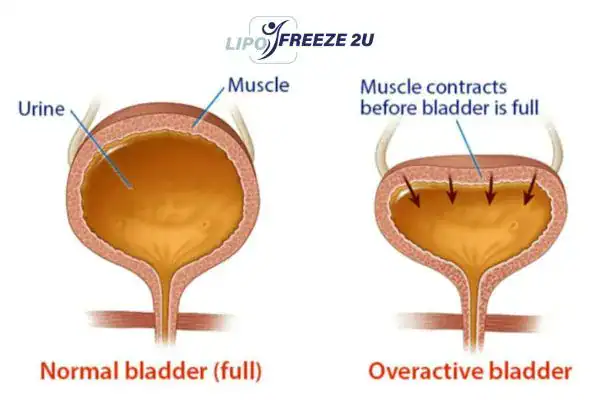
Overactive bladder is not a disease but a group of urinary symptoms characterised by:
- Urgency: An inability to defer urination, experienced as a strong compulsion to void.
- Frequency: More than normal urination, usually more than 8 times per day.
- Nocturia: Waking several times at night in order to urinate..
- Urge Incontinence: Involuntary urination following a strong feeling to void.
This is due to involuntary muscle spasms, including those of the bladder walls. OAB can be caused, for example, by age, nerve damage, pelvic floor conditions or the use of some hormones and other diseases (e.g. diabetes).
What is the main cause of an overactive bladder?
Involuntary contraction of bladder muscles, resulting in a sudden sensation of urgency to urinate, is the single main problem linked to overactive bladder (OAB). There can be many reasons for it, like :
- Nerve Damage: Diseases such as diabetes, stroke, multiple sclerosis or spinal cord injury can interfere with communication between the brain and bladder.
- Ageing: age-related changes in bladder storage and general weakness of the extremities are believed to contribute to OAB.
- Hormonal Changes: n postmenopausal women, a decrease in estrogen can affect bladder function.
- Pelvic Floor Weakness: Weak pelvic muscles can lead to poor bladder support and exacerbate OAB symptoms.
- Bladder Irritants: Certain foods, drinks (such as caffeine and alcohol), and medicines can irritate the bladder.
- Medical Conditions: Certain foods, drinks (such as caffeine and alcohol), and medicines can irritate the bladder.
Fortunately, OAB can be managed through targeted treatments that deal with the root causes, including the Incontinence Treatment and other lifestyle changes, as well as medication.
Overactive Bladder: Treatment Options
1. Regular Lifestyle Modifications
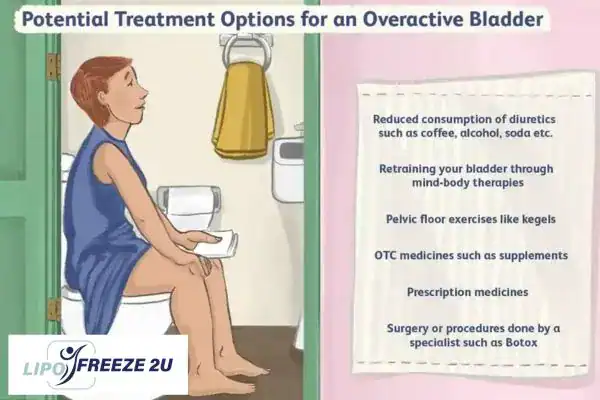
In fact, some very simple adjustments in everyday behaviours can have a surprising impact on the treatment of an overactive bladder and even on the effectiveness of sacral nerve stimulation. Some key strategies include:
- Bladder Training: Although sometimes recommended, current evidence is insufficient to confirm its effectiveness for treating overactive bladder, according to Cochrane.
- Dietary Adjustments: Some people may find that bladder irritants (such as caffeine, alcohol, and spicy foods) can worsen urge incontinence.
- Hydration Management: Sufficient water by day, but limit fluid intake during the evening.
- Pelvic Floor Exercises: Kegels will strengthen the pelvic floor muscles, which can help reduce urinary incontinence.
2. Medications
For some, medication is the answer. These medications help relieve bladder spasms by relaxing the muscles around the bladder or by inhibiting nerve signals that trigger muscle contraction. Common medications for OAB include:
- Anticholinergics: Help calm overactive bladder muscles.
- Beta-3 Adrenergic Agonists: Relax bladder muscles, which increases capacity and decreases urgency.
- Topical Estrogen: Low-dose local estrogen may help bladder health in postmenopausal women.
3. Behavioural Therapy
Cognitive therapies involve recognising and modifying behaviours contributing to WAB symptoms. Methods like biofeedback and mindfulness-based stress reduction can help people to more effectively control their bladder function. How to Treat Erectile Dysfunction Naturally: Top Remedies
4. Minimally Invasive Procedures
Medical procedures can help when lifestyle changes and medicines do not provide enough benefit. These include:
- Botox Injections Surrey: Botox is injected into the affected bladder muscles to reduce muscle spasms, providing relief for months.
- Nerve Stimulation (Sacral Neuromodulation): implanting a small device to send electrical pulses to the nerves that control bladder function.
- Percutaneous Tibial Nerve Stimulation (PTNS):This is a minimally invasive technique which uses a small needle inserted just above the ankle to stimulate nerves.
Non-Invasive Lifestyle Modifications
In individuals with newly diagnosed overactive bladder, lifestyle modifications such as smoking cessation and intermittent catheterisation (if required) are the first steps toward treatment prior to medical or surgical therapies.
1. Dietary Changes
Your food and beverage choices will have a major effect on your health. Limit or omit bladder irritants (caffeine, alcohol, acidic fruits and juices (e.g., orange juice), spicy foods and artificial sweeteners). Increased fibre intake will also decrease constipation, relieving pressure on the bladder.
2. Bladder Training
Some control can be gained through bladder training. Bladder retraining involves delaying bathroom visits and increasing the time between them. So, for instance, if you’re peeing every 30 minutes, wait an additional 10 minutes each time that you go until your bladder accommodates. This can ease urgency and frequency over time, assisting with the eventual release of urine.
3. Pelvic Floor Exercises
Exercising the pelvic floor muscles, generally known as Kegel exercises, may help strengthen the muscular support of those organs involved in controlling urination and bowel function. The need to contract and relax these muscles regularly helps you gain better control over leakage and lower urgency, which is an important way to understand the kind of incontinence. Most patients experience improvement after a few weeks of regular practice.
4. Maintaining a Healthy Weight
Excess weight increases pressure on the bladder, leading to increased urgency and frequency. If you are fitting a balanced diet into your lifestyle and exercising at the level of physical activity you can, it is more likely to reduce symptoms.
5. Hydration Practices
It stands to reason that if you are peeing a lot, limiting fluid intake may be effective; dehydration can actually worsen symptoms. Do not eliminate fluids; have very small sips throughout the day, but nothing large around bedtime.
Complementary & Alternative Therapies
Many patients with OAB use complementary therapies to help address the condition, in parallel with standard treatments. Although proof is sparse, a few alternatives to ponder comprise:
Acupuncture
Acupuncture helps balance the body’s energy flow, and these pressure points may help modulate the effects of botulinum toxin on bladder function. Most people find this relaxing and effective when used alongside other therapies.
Herbal Remedies
Some herbs are thought to promote bladder health, such as gosha-jinki-gan and corn silk. But such treatments should be supervised by a doctor to avoid interactions.
Biofeedback
This teaches you how to control your pelvic floor muscles and manage bladder signals more effectively through biofeedback training. The sensors provide real-time feedback during exercises, enabling patients to advance faster.
Psychological Impact and Support
Overactive bladder is more than just a physical ailment; it can also affect your mind. Embarrassment or isolation is a feeling that many experience. Be sure to speak with a medical professional or a group in order to communicate openly. Cognitive behavioural therapy (CBT) is one way to learn how to deal with induced stress and anxiety by OAB, helping you gain confidence in your ability to live life. Best Stress Incontinence Treatments To Change Your Life Top Stress Incontinence Treatments That Can Improve Your Quality of Life
Incontinence Treatment Surrey: A Revolutionary Solution
At LIPO FREEZE 2U Surrey, we offer the innovative Incontinence Treatment that sets a new standard for managing an overactive bladder. This non-invasive therapy uses advanced electromagnetic technology to stimulate the pelvic floor muscles, reactivating and strengthening them without discomfort or downtime.
How Incontinence Treatment Surrey Works
The Incontinence Treatment device utilises high-intensity focused electromagnetic (HIFEM) energy to contract the pelvic floor muscles at a level not achievable through traditional exercises. These deep and rapid contractions improve muscle tone and bladder control, addressing the root cause of an overactive bladder.
Benefits of Incontinence Treatment Surrey
- Non-Invasive: No surgery, needles, or medications required.
- Effective: Clinical studies have shown significant improvement in bladder control and reduced urinary incontinence.
- Quick Sessions: Each session lasts only 30 minutes, making it easy to fit into your schedule.
- Pain-Free: The treatment is comfortable and requires no recovery time.
Strengthens the Pelvic Floor: Helps address not only OAB but also other conditions, including pelvic floor weakness and mild prolapse.
Why Choose LIPO FREEZE 2U Surrey?
- Expertise and Experience: Our team of specialists ensures you receive personalised care tailored to your needs.
- State-of-the-Art Technology: We invest in the latest and most effective solutions for bladder health.
- Comprehensive Support: From consultation to post-treatment follow-up, we are with you at every step.
- Client Satisfaction: We prioritise your comfort and strive to deliver exceptional results.
Prevention and Long-Term Management
Even after finding relief, it’s crucial to focus on long-term management to prevent symptom recurrence. Regular follow-ups with your healthcare provider, maintaining a balanced diet, and monitoring your hydration levels are key to sustaining progress. Incorporating bladder-friendly habits into your routine can make a tangible difference in the quality of life.
At LIPO FREEZE 2U Surrey, we encourage patients to explore all available options when tackling an overactive bladder, including those recommended by the NHS. Whether it’s lifestyle adjustments or advanced therapies, there’s always hope for improvement. See our overactive bladder treatment Surrey.
Combining Treatments for Optimal Results
For many individuals, combining Incontinence treatment with other approaches, such as lifestyle modifications and pelvic floor exercises, may yield the best outcomes. Our experts at LIPO FREEZE 2U Surrey will work closely with you to develop a personalised treatment plan that aligns with your goals and lifestyle.
Frequently Asked Questions (FAQs)
Q: What causes an overactive bladder?
Overactive bladder can result from several factors, including age-related changes, neurological disorders, hormonal fluctuations, and weakened pelvic floor muscles. Identifying the underlying cause is key to effective treatment.
Q: Is Incontinence treatment safe?
Yes, Incontinence treatment is safe and FDA-approved. It is non-invasive, pain-free, and suitable for most individuals experiencing bladder control issues.
Q: How many Incontinence sessions will I need?
The number of sessions required depends on the severity of your condition. Most individuals notice significant improvements after 6-8 sessions, but our team will provide a personalised recommendation during your consultation.
Q: Can I combine Incontinence treatment Surrey with other treatments?
Absolutely. Incontinence treatment can complement other therapies such as medications, lifestyle changes, and pelvic floor exercises to provide comprehensive symptom relief. Pelvic Floor Exercises: A Key Treatment for Managing Faecal Incontinence
Q: Will I experience immediate results?
Many clients report noticeable improvements after just a few sessions, but optimal results are typically achieved over the full course of treatment.
Q: Does Incontinence treatment hurt?
No, Incontinence treatment is entirely pain-free. Most clients describe the sensation as a series of gentle muscle contractions.
Q: Is an overactive bladder treatable?
Yes, an overactive bladder is highly treatable. With the right combination of therapies, you can regain control and enjoy a better quality of life.
Final Thoughts & Your Real Options For Overactive Bladder
Overactive bladder doesn’t have to dictate your life. With advancements in medicine, therapy, and lifestyle practices, you have a range of effective options to choose from. Remember, seeking help isn’t a sign of weakness, it’s the first step toward improved health and confidence.
At LIPO FREEZE 2U Surrey, we are dedicated to helping individuals alleviate OAB symptoms and regain their freedom. Start your journey today by consulting with a qualified healthcare professional Monday to Friday and exploring the paths to renewed bladder control. See Our INCONTINENCE TREATMENT PRICES Surrey Here.